Vitamin C: A Pillar of Medicine through the Ages

Vitamin C: A Pillar of Medicine through the Ages. For centuries, humans have relied on natural remedies, and one of the most significant is vitamin C. Today, ascorbic acid supplements are everywhere, but vitamin C’s journey through history is long and fascinating. From ancient pine needle teas to modern immune-boosting supplements, this essential nutrient has a rich past. Indeed, its story blends ancient traditions and modern science, showing how humans once unknowingly tapped into its power.

Early Civilizations and Natural Extraction

Long before scientists identified vitamin C, ancient cultures were already benefiting from it. Indigenous populations used vitamin C-rich plants to treat illnesses, especially in regions where fresh fruits were scarce.

While they didn’t know the chemical behind it, they understood its healing properties.

“The bark of this tree, when boiled, will remedy the scurvy.” — Early explorer

In Europe, people also used wild herbs like sorrel and watercress for similar purposes. These plants were frequently used to treat colds and other ailments. Additionally, Nicholas Culpeper, a 17th-century herbalist, claimed:

“Watercress cleanses the blood and strengthens the body.” — Nicholas Culpeper

Consequently, these early remedies showed how people intuitively utilized natural sources of vitamin C.

 Nicholas Culpeper (1616-1654);
Nicholas Culpeper (1616-1654);

Scurvy and Sailors: The Citrus Solution

Scurvy, a disease caused by vitamin C deficiency, plagued sailors on long voyages. Since fresh produce was often unavailable for months, sailors suffered from bleeding gums, fatigue, and other severe symptoms. In the 16th century, some sailors began to notice a connection between citrus fruits and the prevention of scurvy.

Long before this, the Chinese navy packed dried oranges for long voyages, recognizing their health benefits. Likewise, Vikings ate cloudberries and other wild fruits to stay healthy during their sea journeys. These natural remedies, though based on tradition, were effective in preventing scurvy.

In 1747, James Lind famously conducted scurvy trials. He gave citrus fruits to some sailors and noticed that their health improved rapidly.

“I ordered two oranges and one lemon to be given to each sick man, and they recovered surprisingly fast.” — James Lind, Treatise of the Scurvy

This work eventually led to the widespread use of citrus fruits in naval medicine, marking a turning point in the fight against scurvy.

James Lind Treatise of the Scurvy Vitamin C: A Pillar of Medicine through the Ages

Pre-Modern Extraction Methods

In the 19th and early 20th centuries, extraction methods for vitamin C also saw great improvements. Before its isolation, herbalists and apothecaries continued to use vitamin C-rich plants in teas, tinctures, and tonics. As a result, they boiled herbs or steeped them in alcohol to create remedies rich in vitamin C.

In particular, Indigenous groups in Canada made a drink from the bark and leaves of the white cedar tree. This vitamin C-rich remedy helped French explorers like Jacques Cartier, who noted:

“Our people were miraculously healed through the juice of this tree.” — Jacques Cartier

Such early extraction practices laid the foundation for later scientific discoveries.
The Scientific Breakthrough: Ascorbic Acid

The major leap in vitamin C’s history occurred in the 20th century. Hungarian biochemist Albert Szent-Györgyi isolated a substance he called “hexuronic acid” in 1928.

“It was a case of stumbling upon something, only to find it had far greater significance.” — Albert Szent-Györgyi

This discovery, later renamed ascorbic acid, was recognized as the substance that prevented scurvy.

His work revolutionized medicine. For the first time, scientists could study and synthesize vitamin C, making it far more accessible. Consequently, concentrated vitamin C supplements were soon available, allowing for the treatment and prevention of vitamin C deficiency on a larger scale.

Modern Medical Uses of Vitamin C

Once scientists isolated vitamin C, its potential applications rapidly expanded. Nobel Prize-winning chemist Linus Pauling popularized the idea of using high doses of vitamin C for everything from colds to cancer.

“High doses of vitamin C will greatly improve health.” — Linus Pauling

While his claims remain debated, vitamin C’s role in boosting immune function is well-established.

Vitamin C: A Pillar of Medicine through the Ages
Linus Pauling
Linus Pauling

Vitamin C plays a critical role in supporting white blood cell function and improving skin health by promoting collagen production. Moreover, its antioxidant properties have made it a popular ingredient in skincare products. In cardiovascular health, vitamin C supports blood vessel function, which is why it’s often used in preventive care.

Today, vitamin C is available in various forms, ranging from tablets to intravenous doses used in hospitals. As a result, its role in modern medicine is broad, benefiting immune health, skincare, and heart health.

The Journey of a Timeless Remedy

Vitamin C has come a long way. From ancient herbal teas to modern supplements, its history is a testament to human ingenuity and nature’s power.

“Discovery consists of seeing what everybody has seen and thinking what nobody has thought.” — Albert Szent-Györgyi

Vitamin C, once extracted from pine needles and fruits, now sits at the center of modern medicine.


References Vitamin C: A Pillar of Medicine through the Ages

Pauling L. Vitamin C and the Common Cold. San Francisco: W.H. Freeman and Co, 1970.

Lind J. A Treatise of the Scurvy. London, 1753.

Szent-Györgyi A. Studies on Biological Oxidation and Reduction. 1937.

Care and Cure Shop

The History of Ionic Silver

Silver has been valued for centuries and is known for its powerful antibacterial and healing properties. Ancient civilizations used it in various health and medicinal practices, and understanding this history sheds light on the growing popularity of ionic silver today.

Ancient Civilizations and Silver

Silver wasn’t just prized for its beauty and healing qualities in ancient times. Egyptians used silver to preserve food and water, recognizing its antimicrobial effects. Moreover, both Greeks and Romans saw its health benefits. Hippocrates, often called the “Father of Medicine,” praised silver for its ability to heal wounds and fight infections.

During the Middle Ages, silver continued to play a crucial role in health. Wealthy families stored liquids in silver containers to keep them fresh and disease-free. People even carried silver coins in their water to prevent contamination, a practice noted throughout history.

The Development of Ionic Silver

As science progressed, so did the understanding of silver’s medical applications. By the late 19th and early 20th centuries, doctors started using silver nitrate to treat wounds and prevent infections. Additionally, silver sulfadiazine became a widely used topical treatment for burn victims.

In the 1970s, researchers shifted their focus toward ionic silver. Compared to colloidal silver, ionic silver had a smaller size and higher solubility, making it more effective at targeting harmful microorganisms. This breakthrough highlighted its potential in health treatments.

Modern Usage and Recognition

Today, ionic silver is becoming a popular natural remedy and dietary supplement. It’s widely available in health stores and online, marketed for its immune-boosting properties. Many holistic practitioners recommend it to fight infections, support skin health, and enhance overall wellness.

As concerns about antibiotic resistance rise, more people are turning to alternatives like ionic silver. Research continues to show its effectiveness against bacteria, viruses, and fungi, fueling even more interest in its potential.

Conclusion

Silver’s long history in health and medicine proves its lasting value. From ancient civilizations to today’s scientific research, silver has remained a trusted tool for promoting wellness. As interest in ionic silver grows, its historical roots strengthen its role in modern health practices.n today’s wellness practices.

Care and Cure nutraceuticals Shop

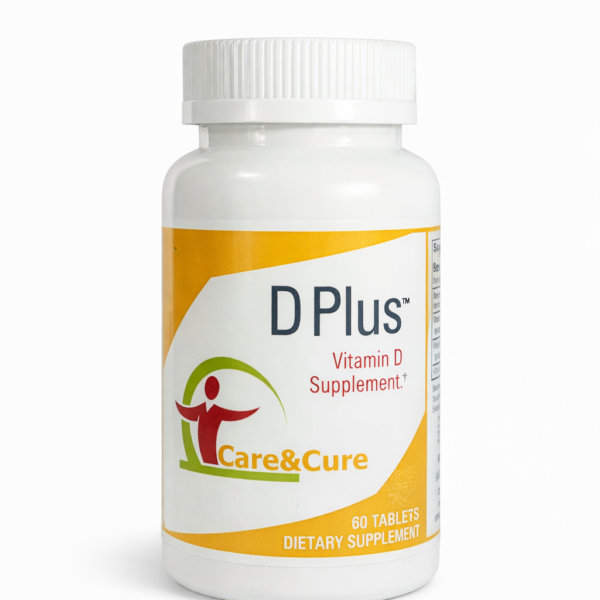
D3 A Vitamin or a Hormone?

Vitamin D3, also known as cholecalciferol, is vital for maintaining overall health. Despite being labeled a vitamin, there’s ongoing debate about whether it functions more as a hormone. In this article, we’ll explore its nature, how it works in the body, and why its role is so crucial.

What is Vitamin D3?

Vitamin D3 is a form of Vitamin D, which is essential for absorbing calcium and maintaining bone health. Unlike other vitamins that the body cannot produce, Vitamin D3 can be synthesized when the skin is exposed to sunlight. For this reason, many experts argue that it acts more like a hormone than a vitamin.

How Does the Body Produce Vitamin D3?

When the skin absorbs ultraviolet B (UVB) rays from the sun, it triggers the conversion of 7-dehydrocholesterol into Vitamin D3. From here, the body processes D3 into its active form, calcitriol. This active form behaves like a hormone, directly influencing many bodily functions, including calcium absorption.

Why is D3 Considered a Hormone?

Unlike vitamins, hormones are substances that the body produces and uses to regulate various physiological processes. Once Vitamin D3 is processed into calcitriol by the liver and kidneys, it binds to receptors throughout the body, regulating calcium levels, immune function, and mood. In this sense, D3 operates more like a hormone than a simple nutrient.

Key Functions of Vitamin D3 in the Body

  1. Bone Health:
    First and foremost, Vitamin D3 regulates calcium and phosphorus levels, which are critical for strong bones and teeth. Without enough D3, your body cannot properly absorb calcium, leading to weak bones and an increased risk of fractures.
  2. Immune System Support:
    Vitamin D3, particularly in its active form, boosts the body’s immune defenses. It enhances the pathogen-fighting abilities of white blood cells such as monocytes and macrophages. Consequently, having adequate D3 can help prevent infections and support overall immune health.
  3. Mood Regulation:
    Studies indicate that Vitamin D3 affects mood by regulating neurotransmitters and reducing inflammation. Therefore, people with low D3 levels often experience mood disorders, such as depression or seasonal affective disorder (SAD).
  4. Muscle and Cardiovascular Benefits:
    Vitamin D3 strengthens muscles and can reduce the likelihood of falls in older adults. Additionally, it supports heart health by regulating blood pressure and improving the function of blood vessels.

The Growing Concern of Vitamin D3 Deficiency

In many parts of the world, Vitamin D3 deficiency is becoming increasingly common. Due to limited sun exposure and dietary gaps, people often lack sufficient D3. This deficiency leads to several health problems, including weakened bones, impaired immune responses, and increased risks of chronic illnesses such as cardiovascular disease and diabetes. To combat this, experts recommend regular sunlight exposure, a diet rich in Vitamin D, or supplements.

Conclusion: Vitamin or Hormone?

Although Vitamin D3 is traditionally classified as a vitamin, it acts more like a hormone due to its ability to be produced by the body and regulate essential functions. Regardless of its classification, ensuring adequate levels of Vitamin D3 is vital for maintaining overall health, supporting the immune system, and strengthening bones and muscles. For most people, a combination of sunlight, diet, and supplementation is necessary to avoid deficiency and its related health issues.

References

Bikle, D. (2014). Vitamin D metabolism, mechanism of action, and clinical applications. Chemistry & Biology, 21(3), 319-329.

Holick, M. F. (2007). Vitamin D deficiency. New England Journal of Medicine, 357(3), 266-281.

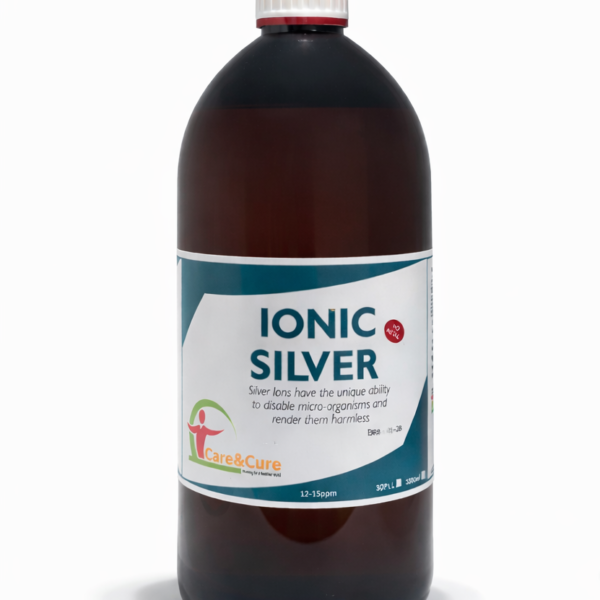
What is Ionic Silver

Definition:
Ionic silver consists of tiny, electrically charged particles. These particles either lose or gain electrons, which gives them a positive or negative charge. People often use it in health products because they believe it helps with various health problems.

Properties

  • Small Particle Size: The particles are extremely small, which allows the body to absorb them more easily. This faster absorption helps it work quickly against germs.
  • Charged Particles: The charged particles attach to bacteria, viruses, and fungi. This interaction may stop germs from growing or making you sick.
  • Liquid Form: It comes in liquid form, making it easy to take as a supplement, spray on wounds, or apply directly to the skin.

Differences Between Ionic and Colloidal Silver

Composition:
Ionic silver differs from colloidal silver in that it has electrically charged particles. Colloidal silver contains silver particles suspended in liquid but without a charge.

Absorption:
Because of its charged particles, it is absorbed by the body more quickly than colloidal silver. This faster absorption means it can work more effectively.

Effectiveness:
People use both forms of silver for health support, but professionals consider ionic more effective at stopping germs. It has become more popular due to its potential benefits against infections and immune system support.

Safety

Why Some Prefer Ionic Silver:
Concerns about colloidal silver have arisen, particularly regarding argyria, a condition where the skin turns blue or gray after excessive use. However, people view ionic silver as safer when used correctly and in the right amounts.

Conclusion:
With its electrically charged particles, provides health benefits through supplements, sprays, and topical applications. Its composition and faster absorption differentiate it from colloidal silver. Many trust it to support their health by helping to fight germs and infections.

Dietary Trends from our ancestors that we are missing.

it’s no secret that the health of Our world is declining rapidly.

Daily food plays a huge role in determining our health outcomes. So, what did our ancestors eat when rates of chronic disease development were 700% lower and obesity was non-existent?

What was not part of their diets?

a75f3e4847ad53df6d1a21a1deec3a7d Dietary Trends from our ancestors that we are missing.

Vegetable oils, tofu, high fructose corn syrup, GMOs, and heavy pesticide exposure in food. Nuts and seeds, processed food, dairy-free cheeses, oat milk, and nut milk. A lot of raw vegetables, artificial sweeteners, flour fortified with iron, and heavy chicken consumption.

what was part of their diets?

what was part of their diets Dietary Trends from our ancestors that we are missing.

A wide variety of meat, nose to tail, using all parts of the animal, fruit sugar, animal fat, full of fat-soluble vitamins, Dairy starches, cooked vegetables and daily desserts.

Unraveling the Health Benefits of Taurine: A Crucial Ingredient in Dietary Supplements

Introduction:


Welcome to our blog, where we explore the science behind the ingredients in our products. Today, we’re focusing on taurine, a vital component found in many dietary supplements. Let’s dive into what taurine is, its potential benefits, and how it may support your overall well-being.

Understanding Taurine:


Taurine is an amino acid that plays a significant role in various physiological processes in the body. While it’s often associated with energy drinks, taurine is naturally found in foods like meat, fish, and dairy products. Additionally, it’s commonly included in dietary supplements due to its potential health benefits.

Potential Benefits of Taurine:

  • Heart Health: Taurine has been linked to heart health, with studies suggesting that it may help support cardiovascular function. It’s believed to have protective effects on the heart, including regulating blood pressure and improving heart muscle function.
  • Vision Support: Research indicates that taurine may play a role in maintaining healthy vision. It’s found in high concentrations in the retina, where it helps protect against oxidative stress and supports overall retinal health.
  • Exercise Performance: Taurine has been studied for its potential to enhance exercise performance and reduce muscle fatigue. It may help improve endurance, increase muscle contractility, and aid in recovery after strenuous physical activity.

How Does Taurine Work?

Taurine exerts its effects through various mechanisms in the body. It acts as an antioxidant, helping to neutralize harmful free radicals and reduce oxidative stress. Additionally, taurine plays a role in regulating calcium levels in cells, which is crucial for muscle function and neurotransmission.

Safety Considerations:


Taurine is generally considered safe for most people when consumed in moderation. However, as with any supplement, it’s essential to follow recommended dosages and consult with a healthcare professional, especially if you have underlying health conditions or are taking medications.

Incorporating Taurine into Your Routine:


If you’re interested in reaping the potential benefits of taurine, consider adding it to your supplement regimen. Taurine supplements are readily available and can be found in various forms, including capsules, tablets, and powders. Be sure to choose reputable brands and follow the recommended guidelines for usage.

Conclusion:


Taurine is a versatile amino acid with a wide range of potential health benefits, from supporting heart health to promoting vision and enhancing exercise performance. By understanding its role in the body and incorporating it into your wellness routine, you may take proactive steps toward optimizing your health and vitality. As always, prioritize your health by making informed choices and consulting with healthcare professionals when necessary.

Stay tuned for more insights into the science behind our products, and feel free to reach out with any questions or feedback. Your health is our priority!